Dependable General Contractor: Making Dreams Into Concrete Results
A reliable general contractor plays a pivotal role in turning architectural plans into physical structures. By coordinating timelines and budgets, they ensure projects go smoothly. Their expertise fosters a collaborative environment, critical for minimizing risks. Nevertheless, not all contractors are the same. Understanding how to recognize the right one is crucial for any successful project. What essential qualities should one seek, and how can they impact the overall outcome?
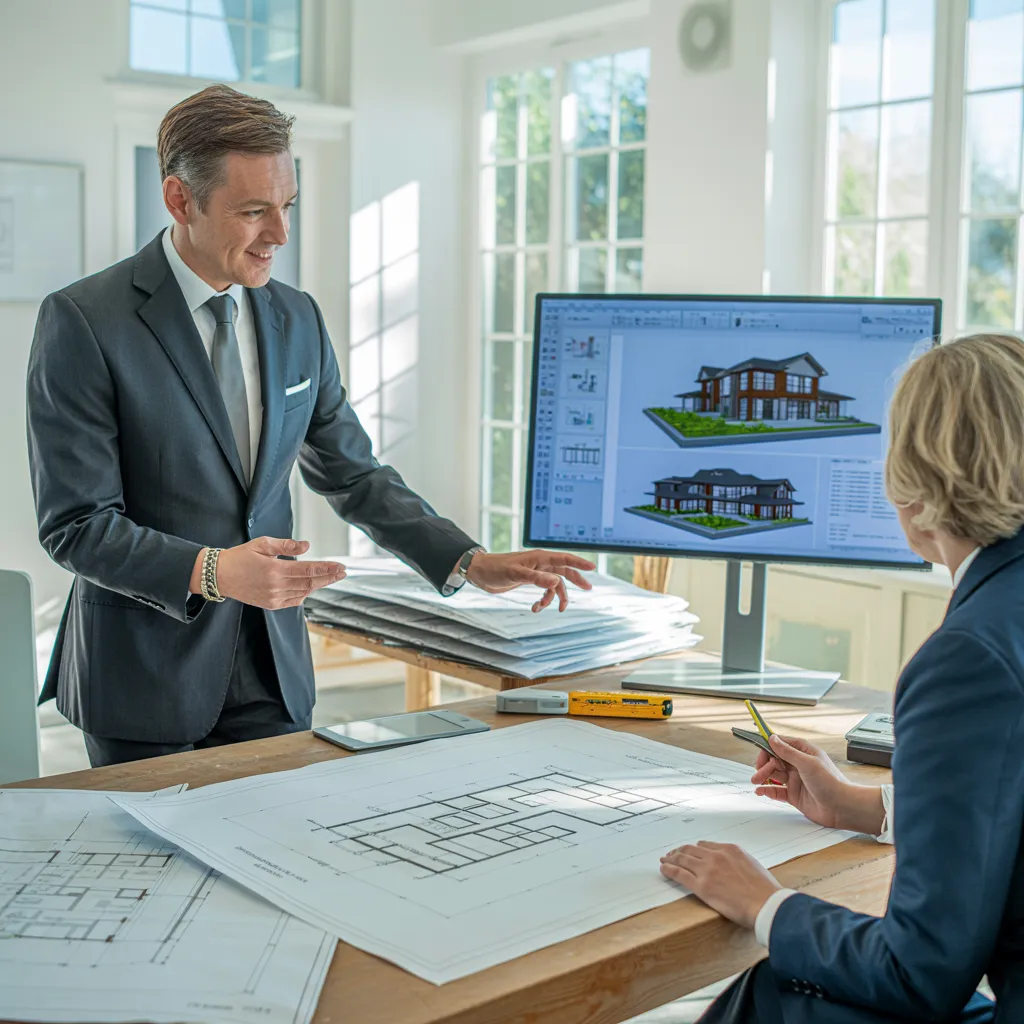
How to Determine a Reputable General Contractor?
Can someone assess the reliability of a general contractor? Evaluating a contractor's reputation remains essential. An practical method entails seeking suggestions from loved ones and internet-based reviews, which supply details regarding historical results and patron contentment. Also, verifying proper licensing and insurance guarantees that the contractor complies with professional norms and safeguards against potential liabilities. Reviewing previous work, whether through portfolio samples or site visits, allows you to evaluate the caliber of their craftsmanship.
Additionally, obtaining multiple estimates allows comparison of rates and project timelines, highlighting any variations that may point to unreliability. Effective communication is yet another important aspect; a reliable professional should be attentive and transparent in their interactions. Finally, verifying past client feedback can supply valuable details about a professional's work ethic and trustworthiness. By implementing these steps, one can form educated decisions when picking a construction professional for construction projects.
Essential Qualities of a Excellent General Contractor
An outstanding general contractor embodies essential qualities that establish successful project outcomes. Powerful communication skills facilitate straightforward communication with end-users, trade specialists, and suppliers, while demonstrated expertise in project coordination assures efficient and cost-effective execution. These attributes are indispensable in transforming a vision into reality.
Strong Communication Abilities
While effective project management is crucial for a general contractor, robust communication abilities often serve as the cornerstone for successful collaborations. These skills allow a contractor to articulate project goals clearly, ensuring that all team members and stakeholders are in sync. Effective communication builds trust, allowing for transparent discussions regarding timelines, budgets, and changes. A good general contractor carefully hears out clients, subcontractors, and suppliers, handling issues promptly and pertinent information adjusting to feedback. This two-way dialogue not only improves issue resolution but also cultivates a positive working environment. Additionally, clear communication minimizes misunderstandings, which can lead to costly delays or errors. Ultimately, robust communication abilities empower a general contractor to navigate challenges effectively, ensuring that projects progress smoothly from inception to completion.
Established Project Management Track Record
Showing verified project management experience is key for any general contractor working toward success. Effective project management includes careful planning, resource allocation, and timeline adherence. A seasoned contractor proves an ability to coordinate different teams, making sure architects, engineers, and subcontractors collaborate smoothly. Moreover, they skillfully handle challenges, using problem-solving skills to keep projects on track and within budget. Their experience helps them predict potential issues, reducing risks before they develop. In addition, strong project management promotes transparency, allowing clients to remain informed throughout the construction process. By focusing on quality control and adhering to safety standards, a general contractor with proven experience not only produces outstanding results but also fosters lasting relationships founded on trust and reliability.
The Gains of Selecting a Trustworthy General Contractor
Retaining a reliable construction specialist affords noteworthy advantages in any construction project. Their expertise and experience promise that tasks are completed to rigorous standards, while also maximizing time and cost efficiency. This integration empowers residents and corporations to emphasize their vision without the tension of project management.
Skills And Experience
Working with a reliable general contractor offers a great amount of expertise and capability to any construction project. Their in-depth knowledge of building codes, regulations, and industry standards confirms that each phase of the construction process is compliant and efficient. Experienced contractors have sharpened their talents through multiple projects, enabling them to anticipate potential issues and create effective solutions. Their established relationships with subcontractors and suppliers moreover enhance the quality of work and materials used. Moreover, a reliable general contractor demonstrates strong project management abilities, coordinating timelines, budgets, and resources smoothly. This expertise not only mitigates risks but also encourages a collaborative environment, changing a client’s vision into a concrete reality while ensuring high standards throughout the construction journey.
Time and Cost Productivity
A trusted general contractor significantly improves both time and cost efficiency in construction projects. By coordinating various subcontractors and suppliers, they simplify workflows, minimizing delays and ensuring that tasks are completed on schedule. Their established connections within the industry frequently produce better rates on materials and labor, decreasing overall project expenses. In addition, a skilled contractor preemptively spots potential problems, allowing for quick solutions that avert costly setbacks. Their expertise in project management facilitates effective allocation of resources, guaranteeing efficient use of labor and materials. Ultimately, hiring a trustworthy general contractor not only expedites project timelines but also safeguards the budget, providing clients with peace of mind and confidence in their investment.
Making Your Task More Efficient With a General Contractor
Successful project execution often copyrights on the expertise of a general contractor. By functioning as the central point person in the construction operation, a general contractor manages various dimensions of the project, maintaining seamless exchange among subcontractors, suppliers, and clients. This integrated approach limits delays and reduces the risk of miscommunication, which can lead to expensive problems.
A general contractor streamlines the execution by instituting clear timelines and schedules, allowing all stakeholders to stay aligned with project milestones. They also hold the insight to recognize complications, enabling proactive remedy implementation. Likewise, they manage authorizations and quality checks, alleviating the onus on clients and safeguarding adherence with local regulations.
In the end, the involvement of a talented general contractor changes complicated assignments into manageable tasks, letting homeowners and developers to center on their vision while savoring peace of mind throughout the construction process. This cooperation encourages a more effective and successful project outcome.
Top 5 Problems to Evade When Appointing a Contractor
How can homeowners ensure they pick the right contractor for their project? Avoiding common pitfalls is crucial. First, homeowners should refrain from choosing a contractor solely based on the lowest bid. Quality often comes at a price, and a low estimate may suggest inadequate experience or hidden costs. Second, neglecting to check references can lead to selecting someone untrustworthy or unreliable. Third, neglecting to verify licenses and insurance can expose homeowners to legal and financial liabilities. Fourth, not discussing project timelines in detail may result in unexpected delays and frustrations. Ultimately, homeowners often overlook the importance of clear communication. A contractor who doesn't listen to concerns or provide updates can cause misunderstandings. By steering clear of these mistakes, homeowners can enhance their chances of selecting a contractor who will effectively bring their vision to life.
Essential Points to Raise Before Entering Into a Contract?
What essential questions should homeowners consider before entering into a contract with a service provider? First, they should ask regarding the contractor's licensing and coverage status. Valid credentials protect homeowners from potential liabilities. Next, requesting references and examining past projects can provide insight into the contractor's reliability and workmanship. Homeowners should also talk about timelines—understanding the projected start and completion dates is critical for planning.
Moreover, clarifying payment conditions is vital; homeowners must know the deposit amount and the timetable for later payments. Also, homeowners should question what will result if unexpected issues arise during the assignment, involving order adjustments and how they will be handled. In the end, understanding warranty terms on both workmanship and materials can provide comfort. By considering these questions, homeowners can make informed decisions and establish a solid foundation for their initiative.
Building a Long-Term Relationship With Your General Contractor
Forming a robust relationship with a general contractor can tremendously improve the overall journey of a home building or renovation project. Effective communication is the basis of this relationship, fostering reliability and openness. Homeowners should prioritize open dialogue, outlining needs, timeframes, and budget considerations early in the stage.
Regular check-ins and updates can help address issues quickly, ensuring that both parties remain aligned throughout the project. Additionally, demonstrating gratitude for the contractor's expertise can build mutual respect and encourage a collaborative atmosphere.
Being adaptable is also crucial; recognizing that obstacles may occur can pave the way for problem-solving and adaptation. A positive relationship can result in superior work, as contractors are more inclined to invest extra effort when they feel valued. In the end, a enduring relationship with a general contractor not only supports a successful project but can also generate possibilities for upcoming projects.
Commonly Asked Questions
What Approach Do General Contractors Use for Unexpected Project Changes?
General contractors handle unforeseen modifications by evaluating the situation, communicating with stakeholders, adjusting timelines and budgets, and deploying corrective measures. Flexibility and problem-solving skills are vital in keeping projects progressing smoothly despite unexpected obstacles.
What Styles of Projects Do Construction Companies Typically Administer?
General contractors routinely handle numerous kinds of jobs, including residential renovations, corporate building, infrastructure development, and specialized installations. Their proficiency covers coordination, cost estimation, and planning timelines, making certain successful completion within diverse construction types and complexities.
How Do Payment Plans Function With a General Contractor?
Payment schedules with a general contractor normally comprise initial contributions, with subsequent progress payments attached to project milestones. Final payments are finalized upon project completion, ensuring both parties remain in sync on fiscal responsibilities throughout the construction process.
Can a main contractor Support With Permits and standards?
A general contractor can indeed assist with permits and regulations. They generally navigate local building codes, submit necessary documentation, and guarantee compliance, making things easier for property owners and helping to avoid costly regulatory problems.
What transpires if the Project exceeds the Initial financial allocation?
If a contract exceeds the initial budget, the contractor typically communicates the factors for the increase. They may recommend adjustments, secure stakeholder endorsement, and explore cost-saving alternatives to keep the project on track.
Comments on “Reliable Pickering General Contractor for Renovation and Remodeling Projects”